SCALE AT GMI CLOUD / 2026
Free credits aren't
an accelerator.
We wanted to build a program that actually helped AI startups ship. Turns out that's a lot harder than giving out GPU credits.
01 / SO WE BUILT ONE.
What started as an idea became two cohorts, a network of founders and partners, and a lot of lessons about what startups actually need.
02 / BUILD THE ACCELERATOR
So we built a startup program
like a startup.
Applications
Selection
Founders
Compute credits
Mentors
Partners
Workshops
Investor office hours
Demo Day
We didn't want to just hand founders some GPU credits, invite them to a few webinars, and call it a program. I wanted founders to actually build, ship, and get somewhere they couldn't have gotten on their own. Which sounds simple until you're the one building the thing.
With Yuqi, I helped turn the idea into a real accelerator. We found founders. Built the application and selection process. Recruited partners and mentors. Put together technical workshops, GTM sessions, investor office hours, and a Demo Day.
Then we did all the unglamorous things nobody puts in an accelerator announcement. A lot of spreadsheets. A lot of founder messages. A lot of figuring things out in real time.
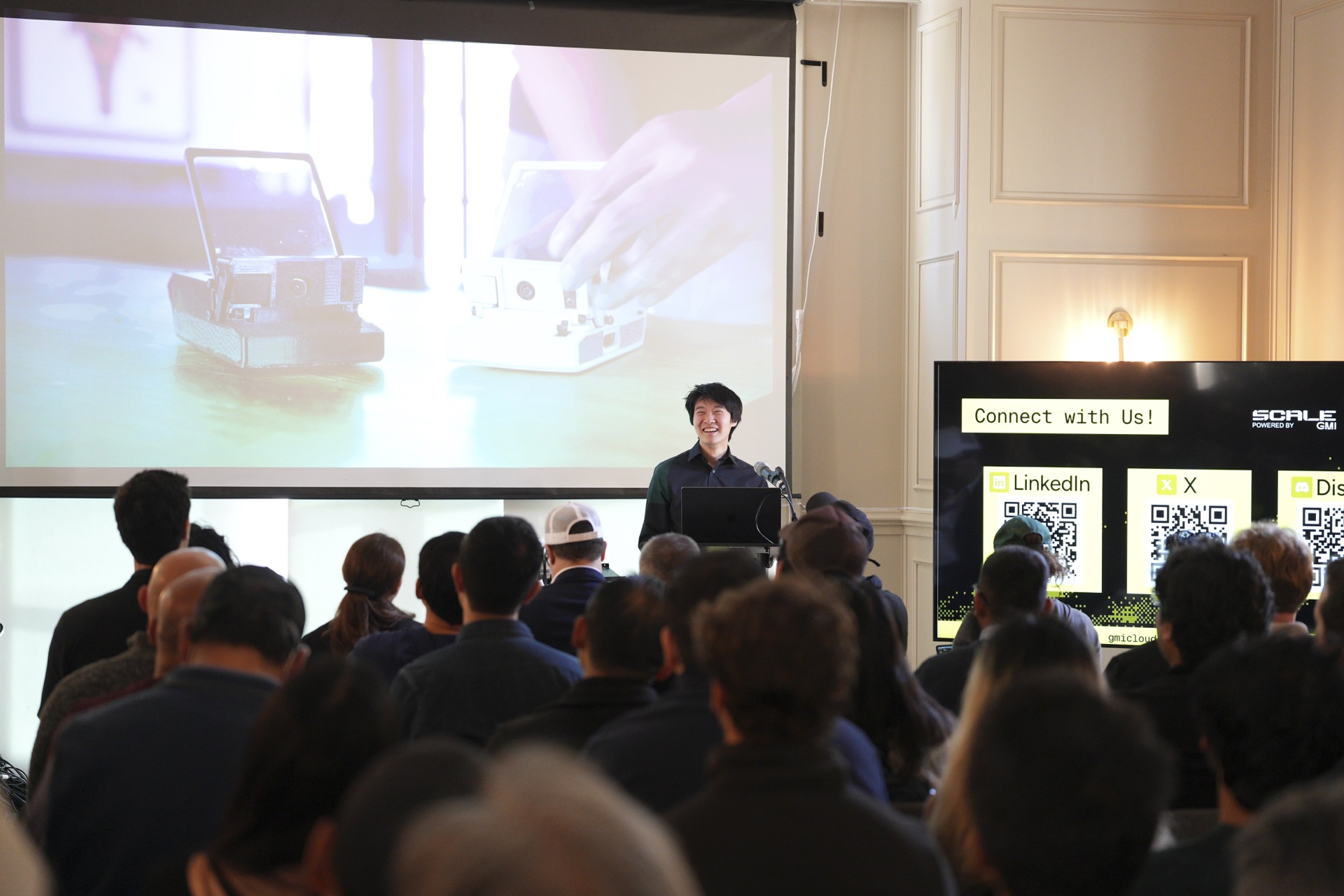
Our first cohort brought together 25 AI startups.
03 / THE HUMAN MOMENT
Then the community started doing things
we didn't plan.
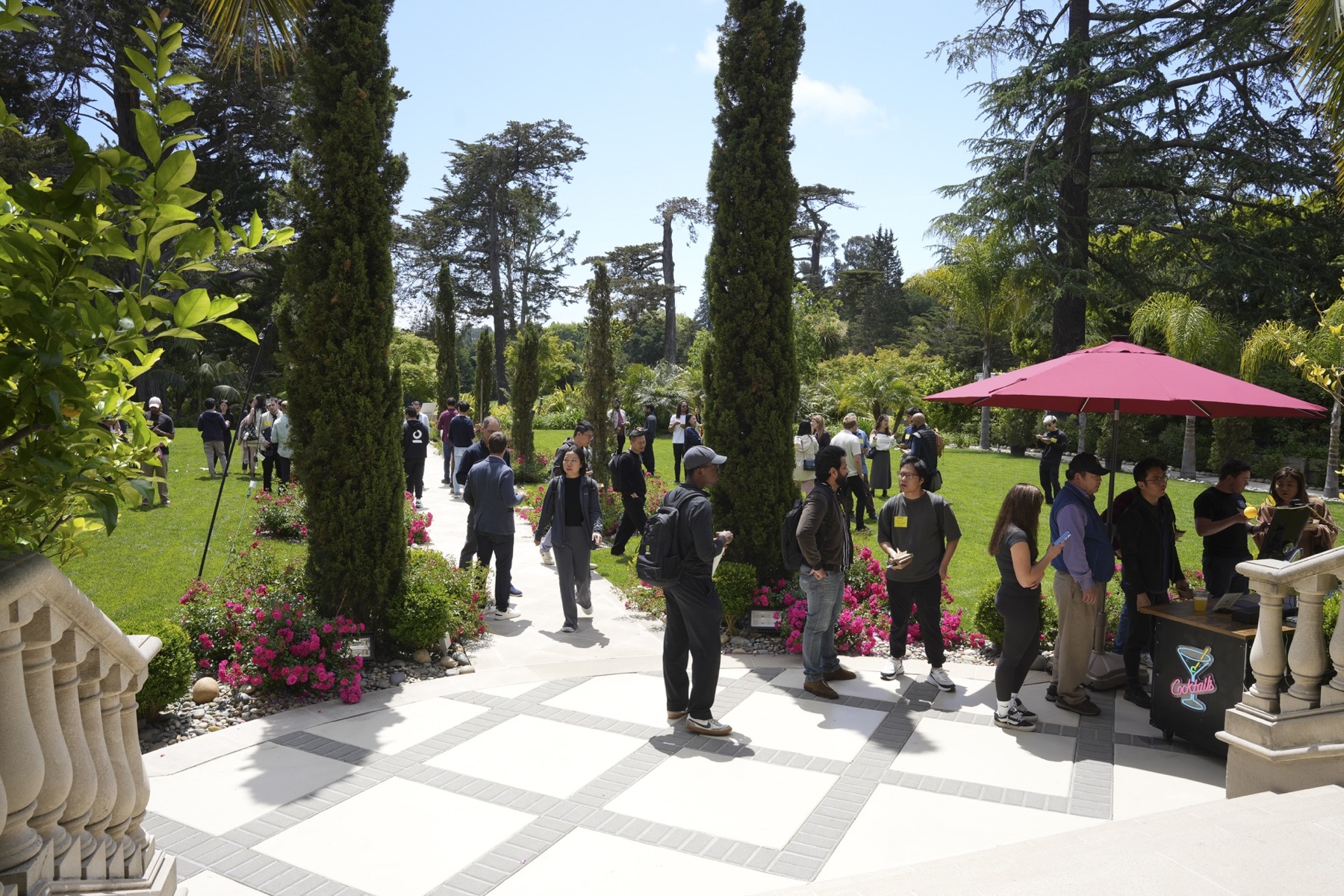
Demo Day carpools · Luma chat
For Demo Day, we opened a Luma chat to coordinate carpools to AGI House. Instead of just finding rides, founders started talking about building a carpool-matching app. Peak Bay Area behavior.
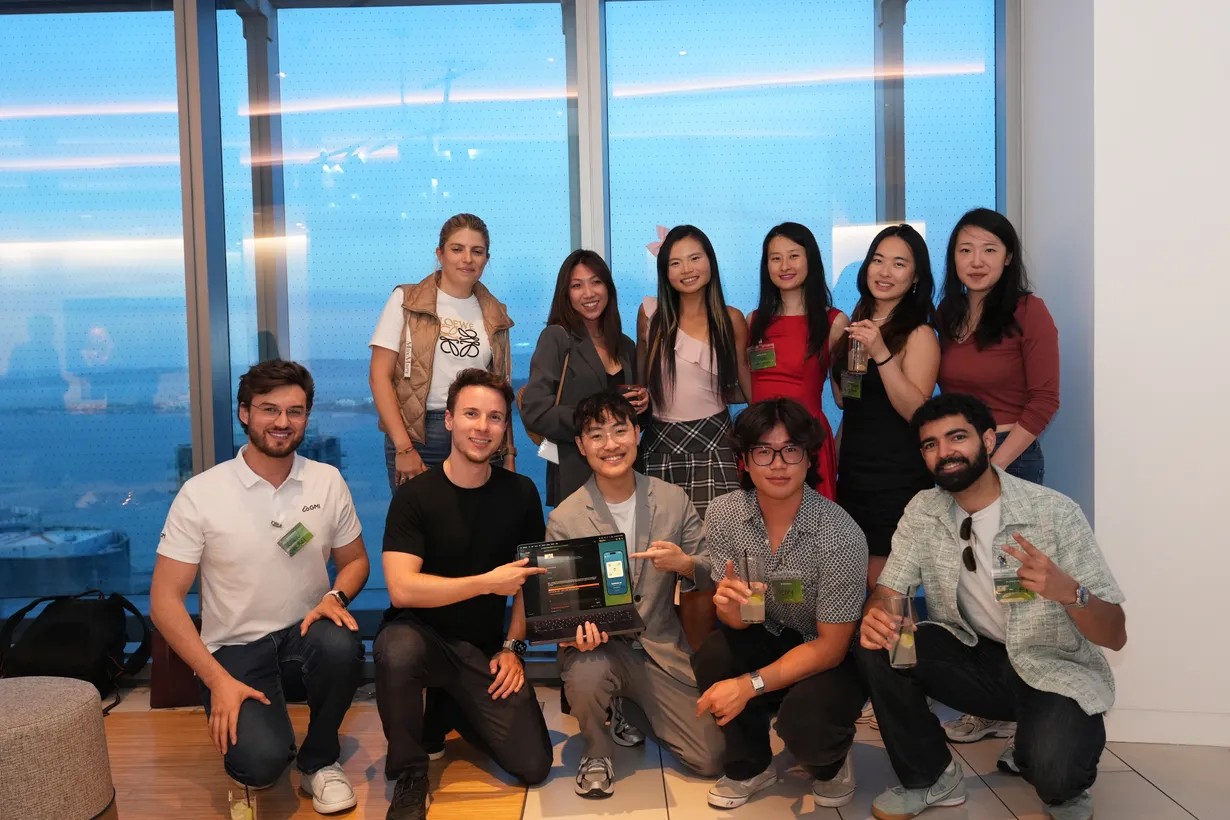
That was my favorite part of the program: watching people start helping each other without us putting it on the agenda. Founders made connections, found collaborators, met investors, and kept talking long after the official program ended.
"SCALE got our inference costs and our GTM sorted in the same five weeks. We walked into Demo Day with traction, not just a deck."
Cohort 1 in under three minutes.
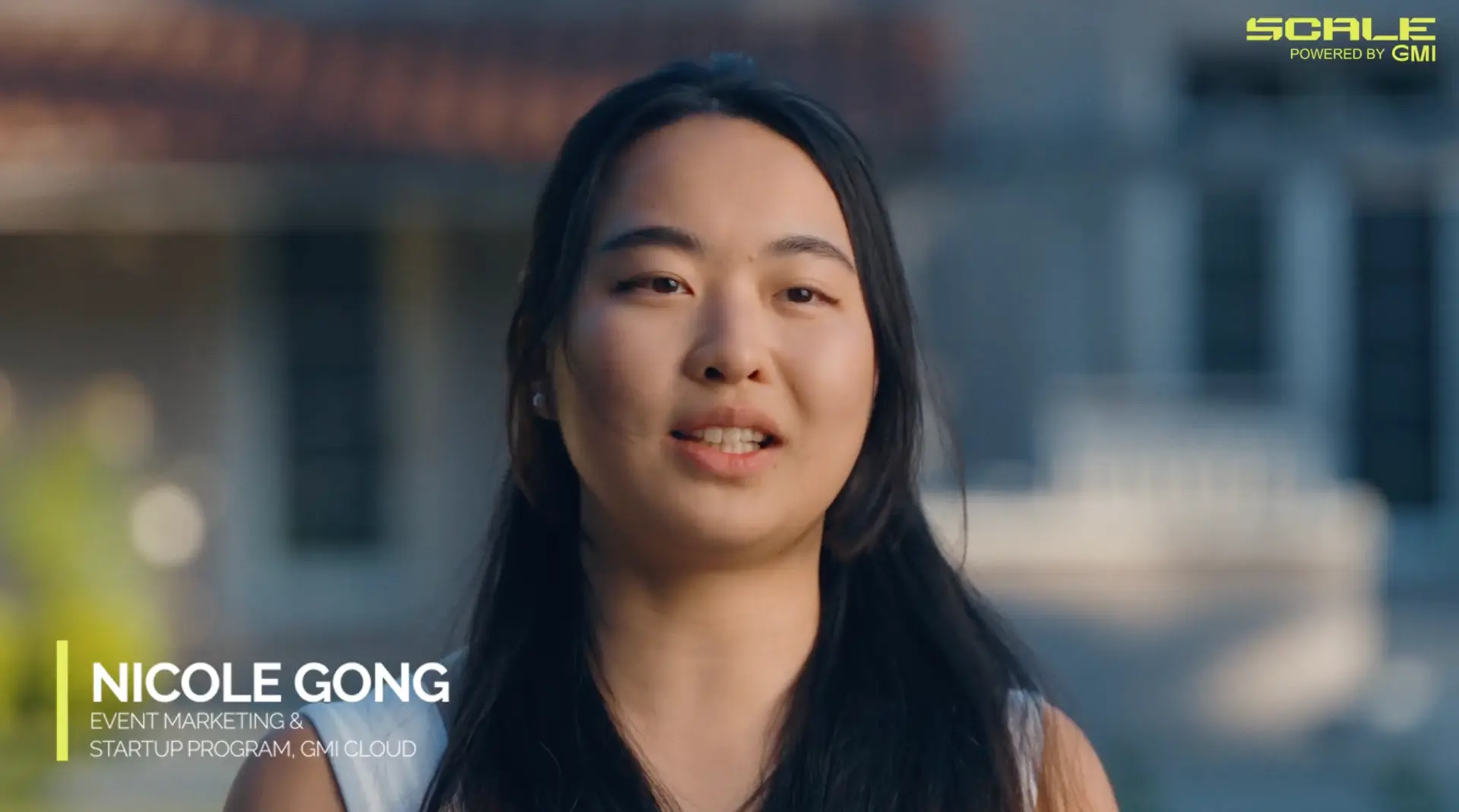
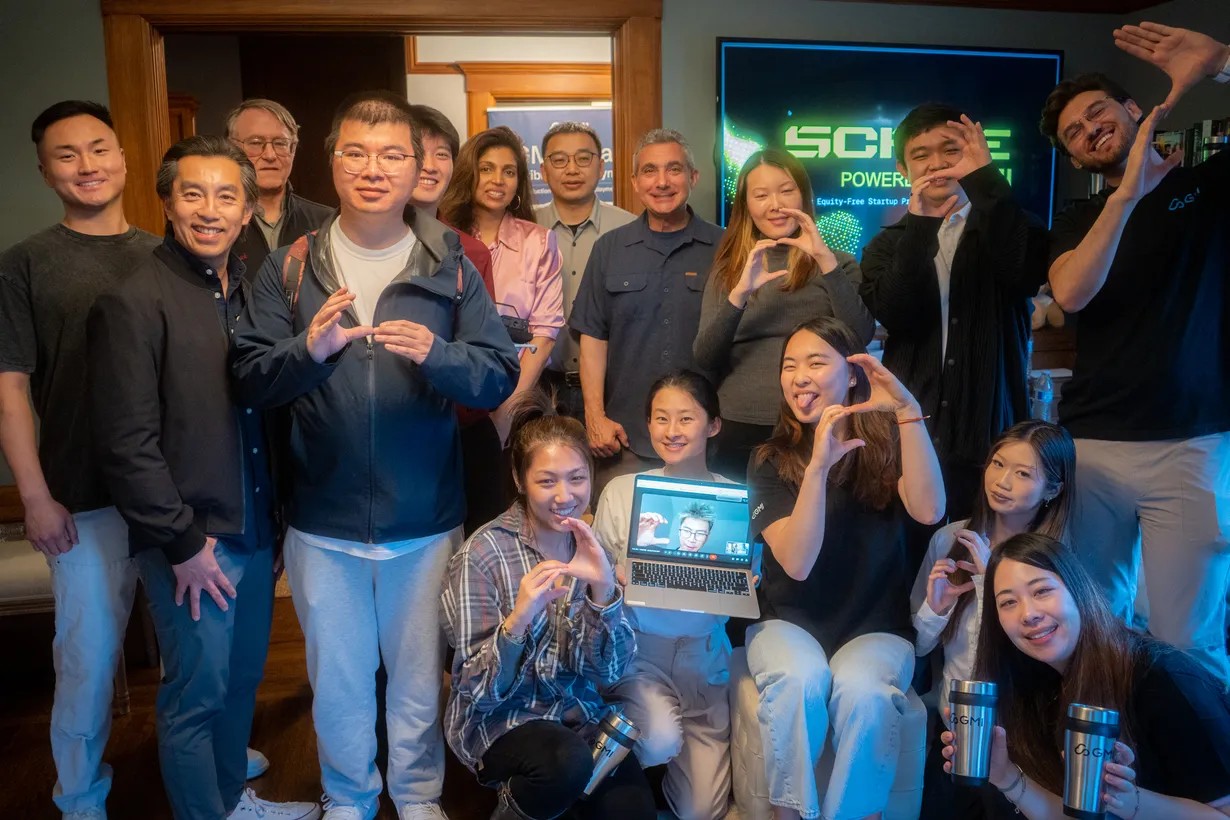
Great Demo Day.
But did anyone actually build?
04 / THE UNCOMFORTABLE QUESTION
A full room isn't the same as
a successful accelerator.
This was probably my biggest lesson. We could host a great Demo Day. We could bring together investors and founders. We could generate excitement. But were founders actually building on the platform? And when they got stuck, could we help them move faster?
The first cohort taught us where the gaps were, especially around onboarding, engineering support, and turning free credits into real product usage. So we used what we learned to rethink the next cohort.
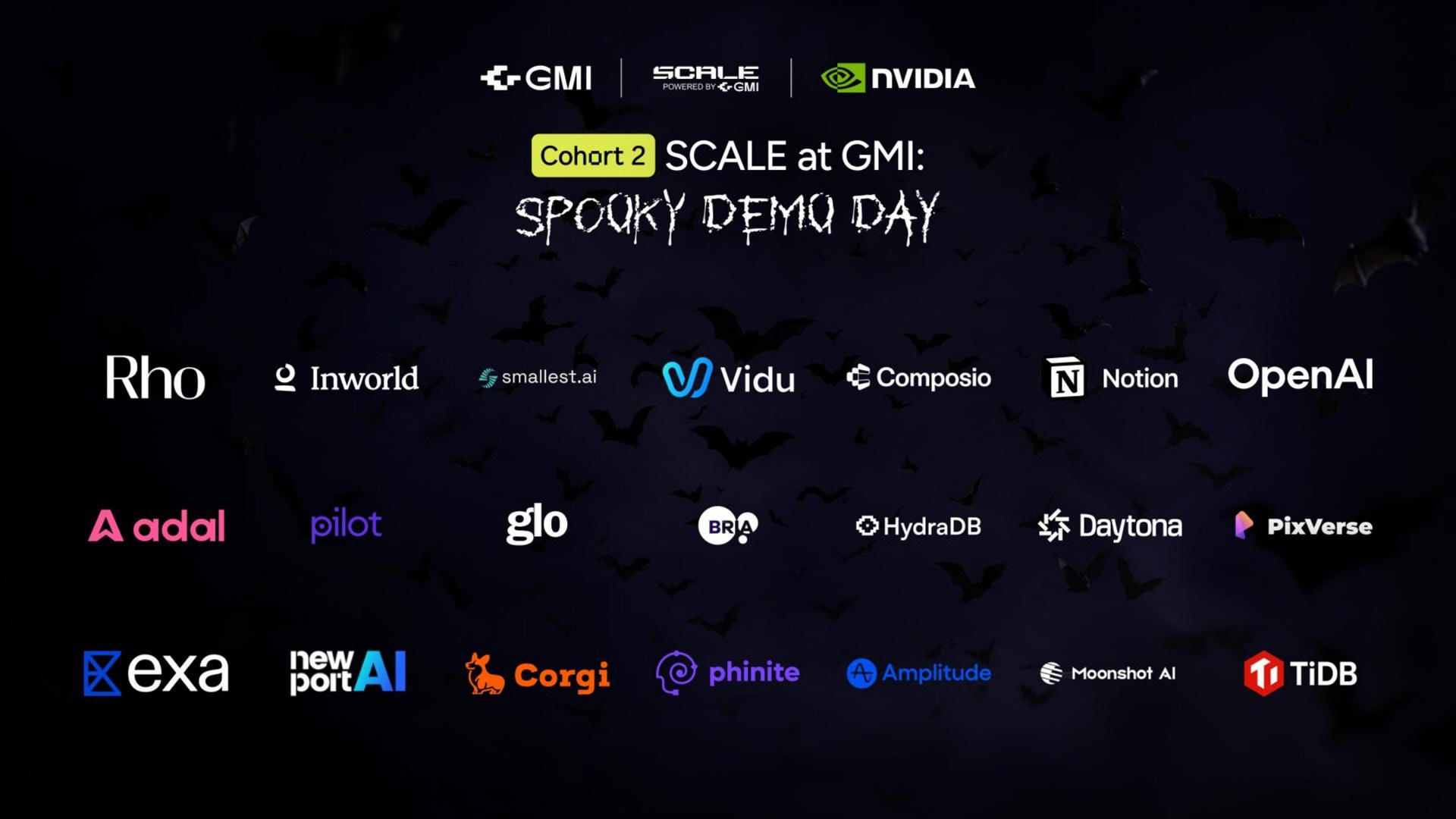
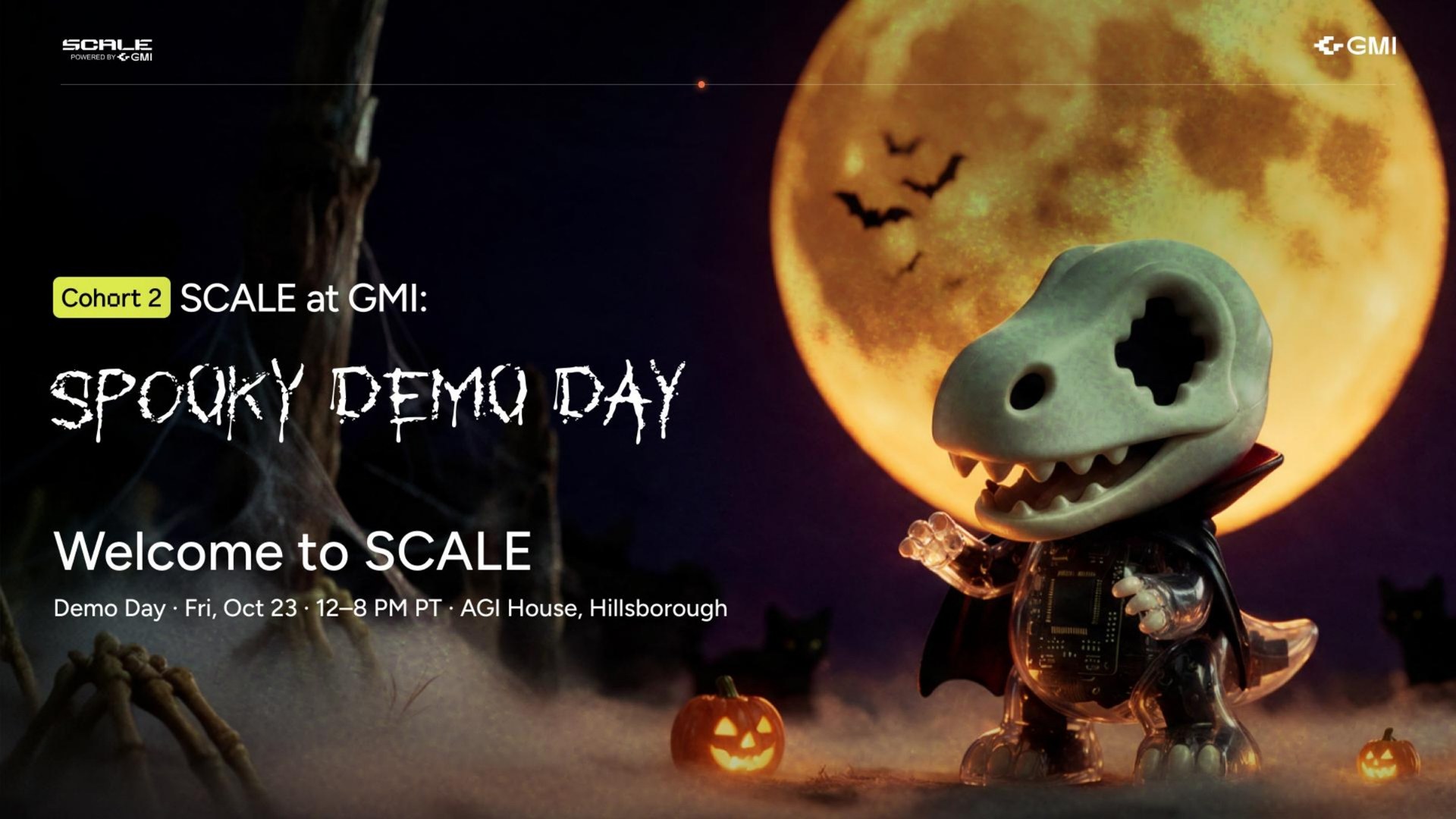
For Cohort 2, credits unlocked at each step, and Demo Day was tied to real usage.
A better program isn't necessarily a bigger one. Sometimes it's one where you can give each founder more attention.
05 / VERSION TWO
Two cohorts later.
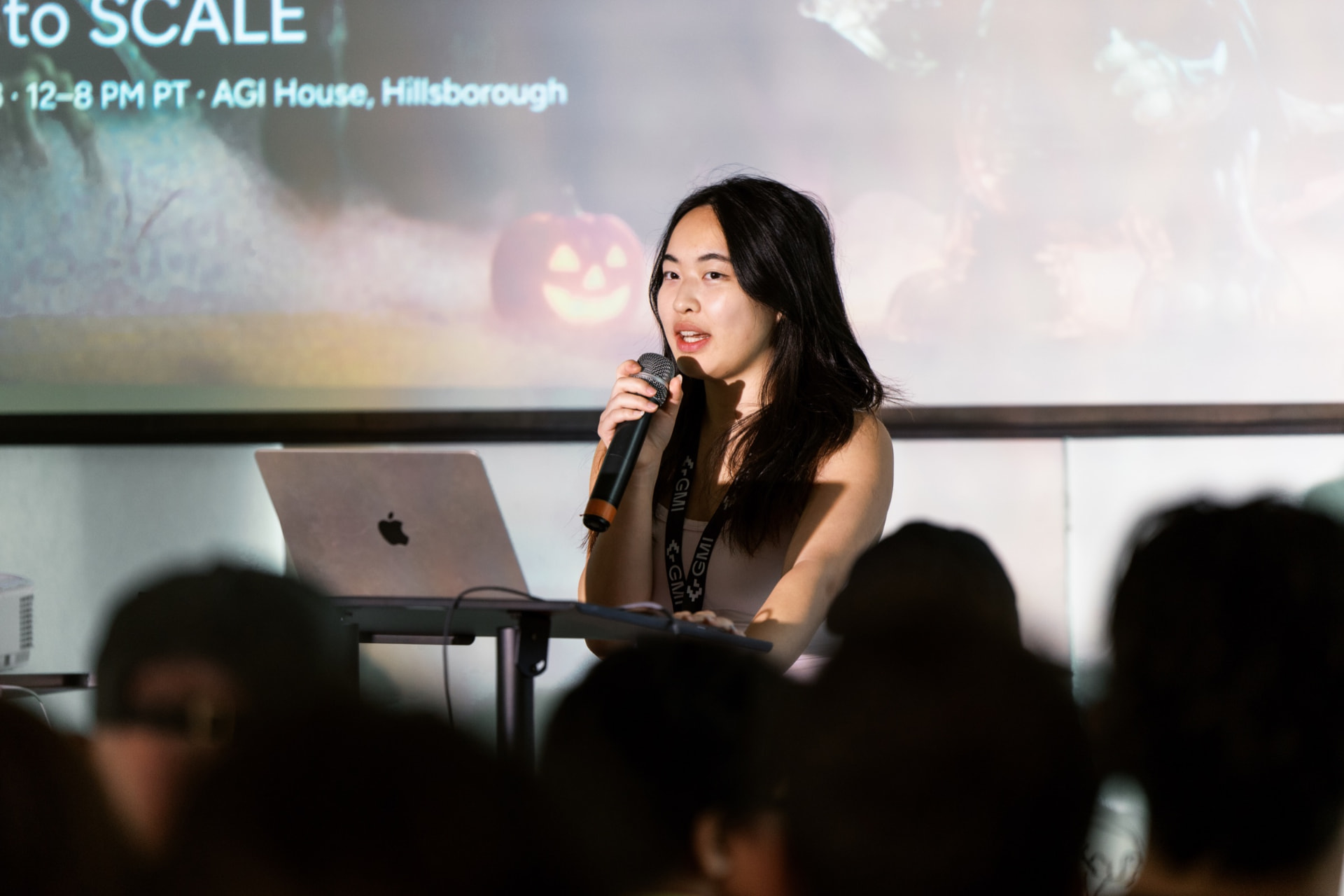
50 startups across two cohorts. A growing network of partners, including NVIDIA Inception, and a collaboration with OpenAI for Startups. The first cohort's founders collectively raised $26M.
I'm proud of the Demo Days and everything we built around them. But I'm more proud that something which started as a page on the internet became a real program, and that we got to make it better the second time.
That, to me, is what building something looks like.